


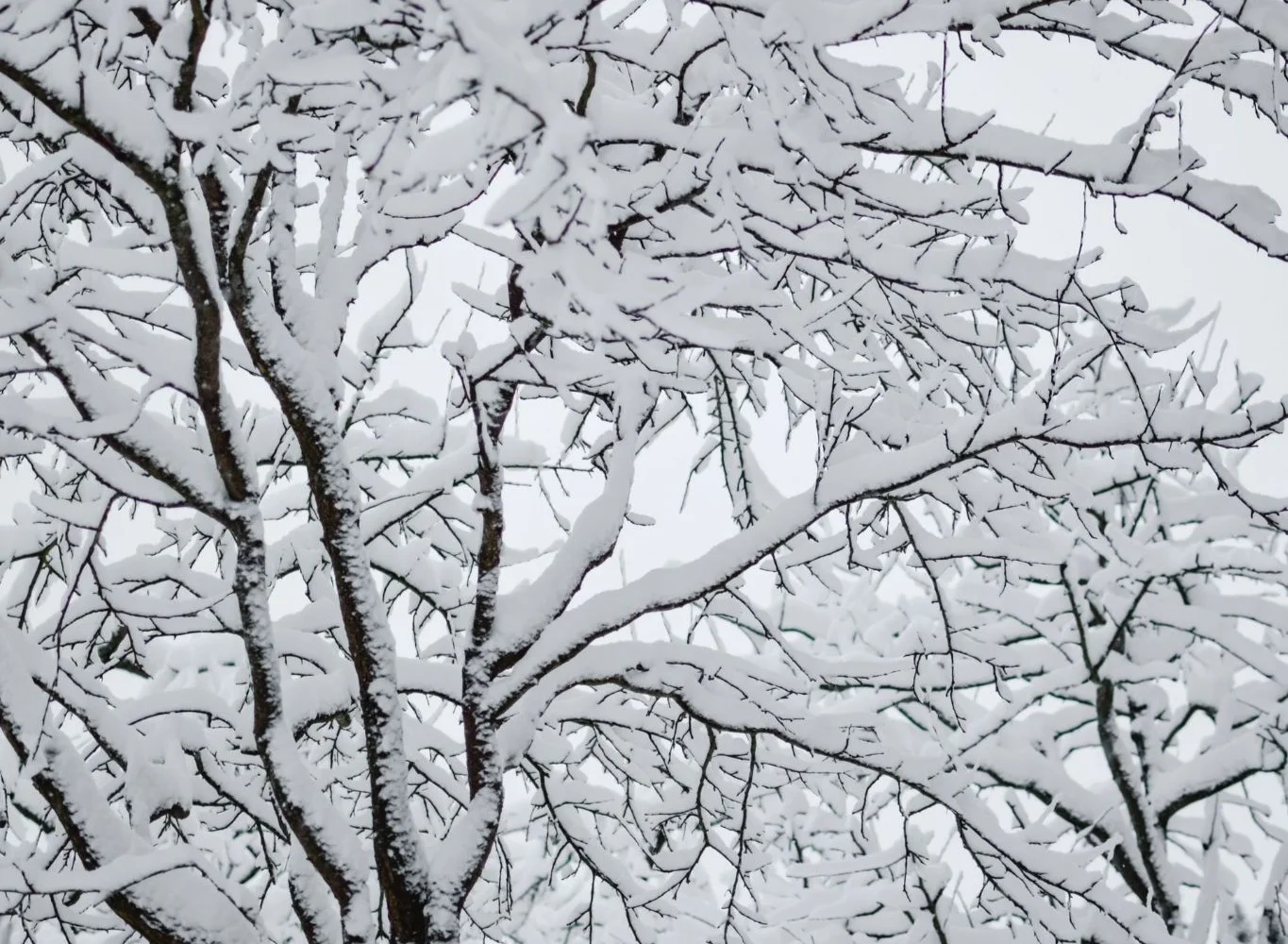
Cold temperatures, heavy snow, ice, and strong winds can all put a lot of added pressure on your trees throughout the winter. Fortunately, there are plenty of effective ways to prepare a tree for winter so that it can stay healthy and strong through the coldest months of the year.
Why Is Tree Prep for Winter Important?
Though proper tree care is a year-long effort, winter prep is particularly important for a number of reasons; the first of which is snow and ice. Tree branches often have trouble supporting all of the extra weight that snow and ice can place on them, causing breaks that leave open wounds that can be prone to fungal growth, bacteria, and other pests.
This is only the beginning of the potential problems that winter weather can cause. From strong winds that place further stress on limbs and branches to repeated freezing and thawing cycles that can cause trunks to crack and split, proper tree prep for winter gives you the best chance of preventing these common issues and more from becoming bigger problems.
What Should You Look for Before Winter Arrives?
The best place to start your winter tree prep is always with a simple visual inspection. Though you may not be a certified arborist yourself, you don’t always need to be one to notice that something may be wrong. Here is what you should look out for.
Check for Dead or Damaged Branches
Broken, cracked, hanging, or visibly damaged branches are some of the easiest to spot and most important things to check for during your inspection. Branches with existing damage will have a harder time supporting the weight of accumulating snow and ice, making them a lot more likely to break and potentially cause further problems.
You should also look closely at branches extending over driveways, walkways, buildings, parking areas, or other frequently used spaces. This is because, if they fall, overhanging branches have the greatest risk of causing property damage or potentially limiting access to important parts of your property.
Look at the Tree’s Overall Shape
The general shape and structure of a tree also matters when preparing for winter weather. Overly crowded, crossing, and poorly positioned branches can have a big effect on how weight and pressure are distributed throughout the canopy, and the more unevenly a tree is growing, the more likely it is to break or fall over.
Professional tree services like pre-winter shaping and trimming can address any problematic growth and create a much cleaner branch structure that allows a tree to stay strong and healthy all winter long. So, regardless of whether you notice any current damage, shaping and trimming can go a long way to making even the healthiest trees that much more resilient throughout the winter season.
Should You Trim Your Trees Before Winter?
Trimming is almost always an ideal place to start your tree prep for winter. Whether it’s a damaged or dead branch or simply one that is overgrown and more likely to break, removing this problematic growth before winter arrives is the best way to reduce stress on your trees and get ahead of branches that may already be showing signs of trouble.
At AC Tree Experts, we provide tree shaping and trimming for properties all throughout the Chester County area, and can strategically cut away problem limbs and branches while ensuring that the healthy parts of your tree remain untouched.
How Can You Protect Trees From Snow and Ice Damage?
Just because a branch was healthy in the fall doesn’t mean it will stay that way all winter, which is why you should always double-check your trees both before and after any winter storms. Snow and ice accumulation can be rough on a tree, and catching and addressing new damage before and after a storm can make all the difference when it comes to mitigating damage.
However, some snow and ice accumulation is unavoidable, so when it happens, you need to be careful not to strike or shake frozen branches. Cold, ice-covered limbs are much more brittle than they otherwise would be, and attempting to force ice or heavy snow off them is likely to cause further damage.
What Should You Do Around the Base of Your Trees?
The area around the base of each tree also deserves some attention, and a good way to start is by keeping the immediate area clear so that you can fully see the trunk and potentially identify visible changes or damage.
This includes avoiding leaving piles of branches, leaves, and other debris directly against the trunk. Though it may seem harmless, piles of leaves in particular are great at trapping moisture against the tree, which not only can cause problems with freezing and thawing, but also creates the perfect conditions for wood rot, fungi, and other pests to potentially take root.
Contact AC Tree Experts Today
Are you ready to start your tree prep for the coming winter? Give us a call.
Our team of local certified arborists is always here to answer your questions and will happily tell you more about how we can help you get your property’s trees ready for the coldest months of the year. Then we can help you find a convenient time to schedule your tree care services, and we’ll even offer you a free estimate so that you have everything you need to fit our services into your budget.
Contact AC Tree Experts and get the professional service your trees deserve today.