


Trees can bring natural beauty and value to any property. However, just like any other living thing, trees can suffer from many different diseases that can make them unhealthy and, in some cases, even kill them.
The good news is that these diseases don’t come without warning; you just need to know what early signs to look out for. Whether you suspect that one of your trees is already suffering from a tree disease, or you just want to avoid costly damage, safety hazards, and removals, here is everything you need to know about how to spot the early warning signs of tree disease.
Why Early Detection of Tree Disease Matters
When it comes to tree diseases, early detection makes all the difference.
Most tree diseases start quietly, with signs of the disease getting progressively more obvious as the tree weakens. If you can’t catch the signs early, the disease will continue to spread throughout the tree and even to other trees and plants nearby. The earlier you are able to detect the disease, the higher the chances are that you’ll be able to save the tree and avoid any safety risks.
What Are the Common Early Signs of Tree Disease?
Catching tree diseases early can be challenging. However, you don’t need to be a professional arborist to identify these issues; you just need to know what to look out for. Here are some of the most common and obvious signs of tree disease that you should be aware of.
1. Leaf Discoloration or Abnormal Leaf Changes
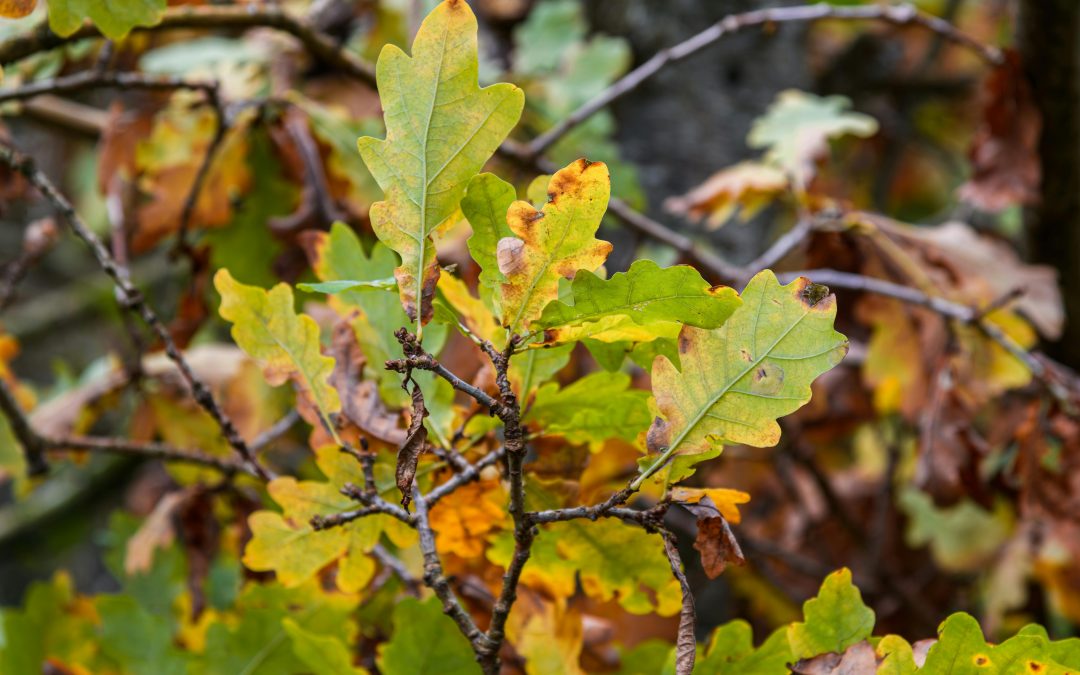
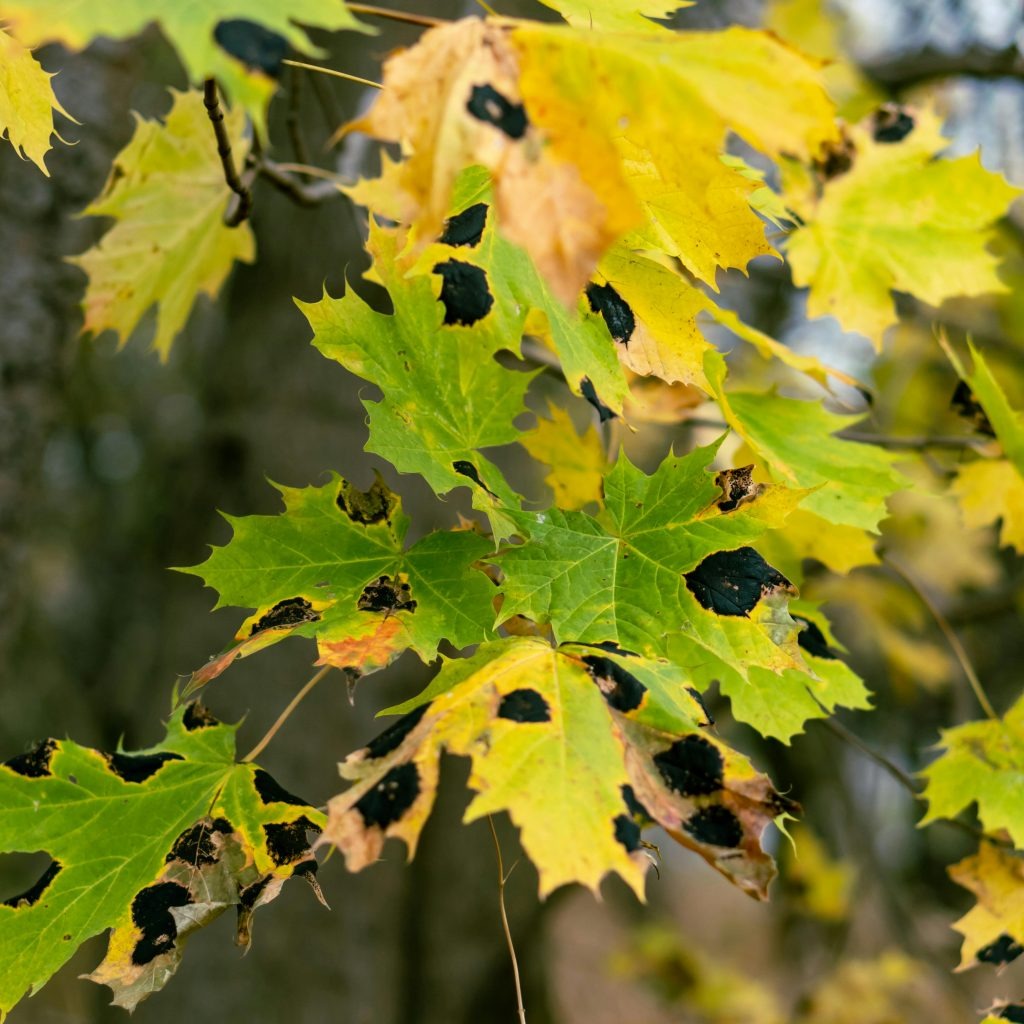
When a tree gets a disease, its leaves are often the first indicators of trouble. If you notice that the leaves on a tree are curling or turning yellow, brown, or spotted, this is almost always a sign that there is something wrong. In more extreme cases, a diseased tree may even start to drop its leaves prematurely, reducing its ability to photosynthesize and to recover.
2. Changes in Bark Appearance
A tree’s bark can also be a big indicator of its overall health. Any healthy tree will have firm bark that completely covers the entirety of its trunk.
An unhealthy tree may start showing white spots on the bark or have bark that becomes brittle and falls off. Either way, if you notice any sudden changes to the bark on a tree, you should contact a tree care expert to come inspect and treat the tree before it’s too late.
3. Branch Dieback and Dead Limbs
Branch dieback and dead limbs are other telltale signs that a tree is succumbing to a disease. This dieback may not be obvious at first, but it generally starts at the farthest edges of the tree and progresses inward until even the largest limbs become brittle, hollow, and barren.
This isn’t just bad news for the tree. It can also be a serious safety hazard to anyone passing by, as dead branches can and will fall, often causing damage to homes and cars and potentially injuring any passersby.
4. Fungal or Mushroom Growth
Another common sign that a tree is dying is excess fungal growth on or around the base of the tree. Fungal growth is essentially nature’s clean-up crew, aiding in decomposition when something dies.
Naturally, mushrooms and other types of fungal growth only really show up if there is something dead to decompose, so if you notice fungus around your tree, you’ll need to act as quickly as possible if you want to have a chance to save it.
5. Evidence of Pest Infestation
While not technically a disease, insect and other pest infestations are just as dangerous to a tree’s ability to grow and thrive. There’s no shortage of different pests that can invade a tree, but they tend to pick trees that are already weakened, whether due to a disease or some other sort of damage.
Pests can kill trees by themselves and will undoubtedly accelerate the progression of any disease the tree already has. If you notice signs of infestation like small boreholes, seeping sap, sawdust, or any other unusual markings, this is almost certainly due to a harmful pest infestation.
Signs of Tree Disease in Specific Tree Species
Being aware of the general early signs of tree diseases is most likely enough for most people to catch problems early.
That being said, in Pennsylvania, Oak and Ash trees are some of the most common trees found spotting the landscape, and knowing the specific signs of the diseases that affect these trees can help you catch them before it’s too late.
Here’s what you should know.
What Are the Signs of Ash Tree Disease?
Ash trees are vulnerable to conditions like ash dieback and especially invasive pests like the emerald ash borer.
The good news is that spotting these issues isn’t any harder than in any other tree. Some of the most common early warning signs to look out for include thinning or wilting leaves, diamond-shaped lesions on bark, and continuous branch dieback.
What Are the Signs of Disease in Oak Trees?
Oak trees can be a bit trickier because the signs they present can vary widely depending on which disease or pest is causing the problem.
One easy sign to spot is wilting, discolored leaves, and premature leaf drop, which is a common sign of disease in most trees. However, one harder-to-spot sign of oak tree diseases is dark streaking beneath the bark. While you shouldn’t peel off the bark of every oak tree you see, if your oak tree’s bark is starting to fall off, and you notice these dark streaks, you should contact a professional arborist and schedule an inspection as soon as possible.

Contact AC Tree Experts Today
Are your trees showing signs of disease? Give us a call at (610) 241-0609.
Our team of friendly tree experts is always here to answer your questions and will happily tell you more about how we can help your trees live longer and healthier. Don’t let your landscape’s most valuable assets fall prey to preventable disease. Contact AC Tree Experts and get the essential tree care you need today!