


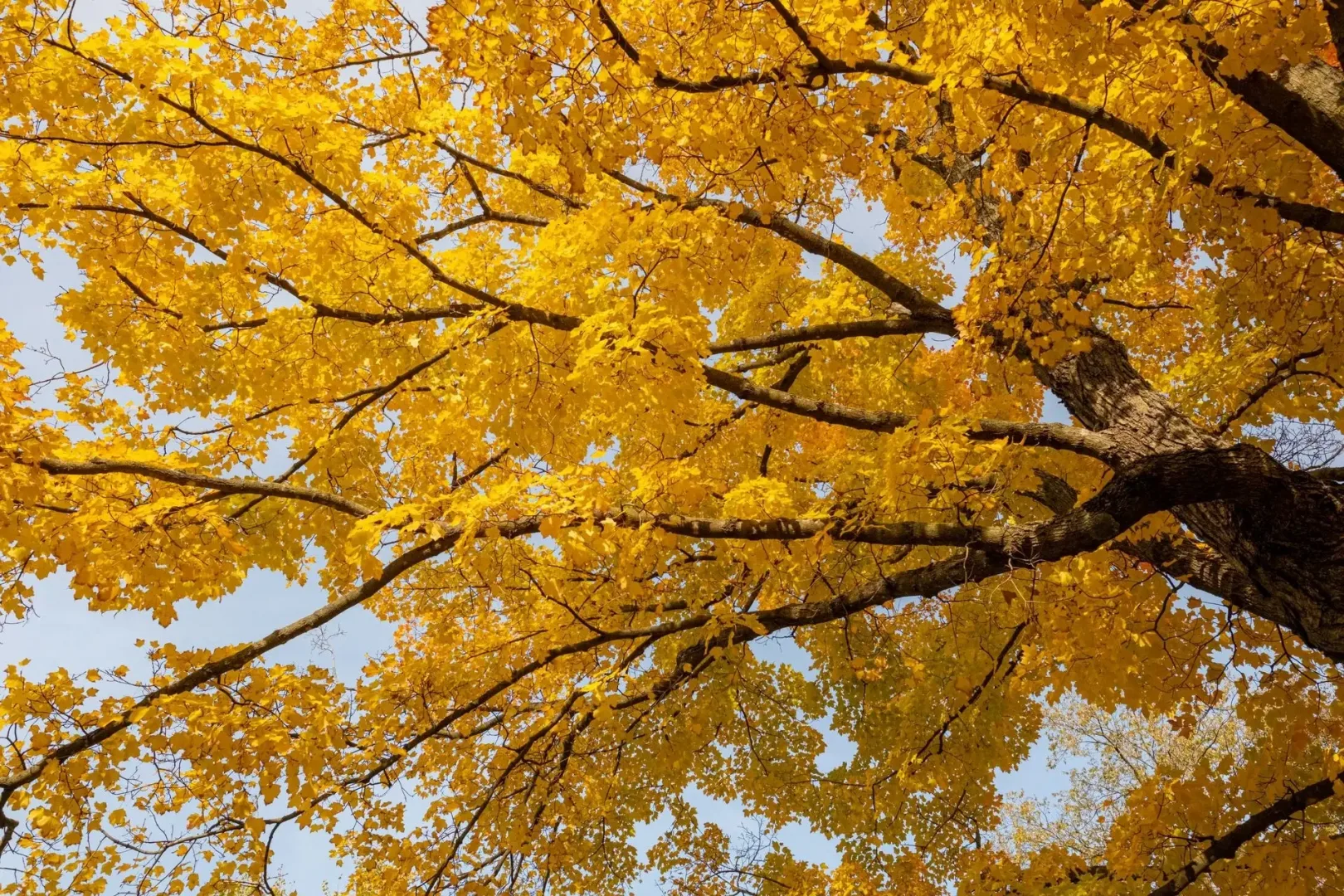
As summer comes to an end and cooler weather moves in, many homeowners start to think about what their trees may need to stay strong and healthy throughout winter.
Fall can be an ideal time to provide certain trees with nutrients and fertilizer can be very beneficial for the health of many trees this time of year. However, it may not be needed in every case.
Soil conditions, tree health, timing, and existing nutrient levels all play a part in deciding whether fertilization makes sense. If you want to make sure your trees have everything they need to thrive in the colder months, our expert guide is here to help.
Why Do Trees Need Fertilizer?
Trees naturally pull nutrients from the soil to support root development, foliage, and new growth. In a wooded environment, fallen leaves and other organic materials break down over time, returning nutrients to the soil.
From removing leaves in the fall to overly compacted soil and more, there are plenty of different factors that can drastically change the growing environment and, in some cases, leave a tree with far fewer nutrients than it needs.
Fertilizer can help address many of these nutrient deficiencies, but that doesn’t mean it’s always necessary. Choosing to fertilize trees simply because another growing season has ended doesn’t always provide much benefit. It’s essential to understand exactly what is already available in the soil before you can make an educated decision.
What Nutrients Do Trees Commonly Need?
Nitrogen, phosphorus, and potassium are three of the primary nutrients necessary for healthy plant growth. Each of these nutrients has a specific role to play, but the amount a tree needs can vary widely depending on the type of trees you have and the growing environment they are in.
Is Fall Fertilizing Good for Trees?
There are several reasons fall fertilizing can and often does make sense under the right circumstances. Once summer ends, visible growth begins to slow as trees prepare for the colder months ahead, but that doesn’t mean they stop growing altogether. Activity below the soil often continues, giving roots an opportunity to grow and strengthen before it gets too cold.
When a tree actually needs additional nutrients, properly timed fertilizer can support its normal growth processes and provide resources going into another growing season. However, this is only the case if your trees actually need the extra nutrients, which is why it’s crucial to find out if your trees need the extra help before you decide whether to fertilize them.
Why Does Timing Matter?
Fall weather doesn’t follow an exact schedule, and the weather you experienced last year doesn’t guarantee anything in the next. Everything from the temperatures and rainfall to the soil conditions and tree species can all affect when and how seasonal changes take place, so you’ll need to base your fertilizing on more than just a specific date.
How Can You Tell if Your Trees May Need Fertilizer?
Trees can sometimes show changes that suggest they are not getting everything they need from their growing environment. Reduced growth, smaller leaves, unusual foliage color, or thinning in the canopy can all give you a reason to look more closely.
These changes do not necessarily mean you need to fertilize your trees. Similar symptoms can develop for a wide variety of different reasons.
It’s best to look at the tree as a whole, or contact a professional who can help you get a better understanding of what your trees may need.
Could Something Else Be Affecting Your Tree?
Nutrients are only one piece of tree health. Compacted soil, root problems, physical damage, poor growing conditions, and storm damage can all affect how a tree looks and grows.
A damaged branch, for example, is not something fertilizer can correct. The same applies to structural problems that may require trimming or removal. Taking the time to identify the actual issue can go a long way to helping you choose care that fits the situation rather than applying fertilizer blindly and hoping it solves the problem.
Should You Test Your Soil Before Fall Fertilizing?
Soil testing can give you useful information before fertilizing. A test can provide you with a much clearer picture of nutrient levels and other soil characteristics that influence what is available to your trees.
With that information, you can make a more informed decision about which types of fertilizer might work best, and if it’s necessary in the first place. This targeted approach is a lot more useful than just making fertilization an automatic part of your fall tree care routine.
Contact AC Tree Experts Today
So, should you fertilize trees in the fall? The answer is a lot more nuanced than a simple yes or no. Though it can be beneficial when your soil and trees actually need additional nutrients, in many cases, your tree might already have all the nutrients it needs to thrive. Consulting a tree care professional can help determine what care your trees need.
At AC Tree Experts, our team of certified arborists is always here to answer your questions and will happily help you decide whether fall fertilization is the right choice for your trees.
Contact AC Tree Experts and get the professional help you need to keep your trees healthy and beautiful through the cold season.