


From maples and oaks to pines, hemlocks, and many more, all of these trees add a ton of natural beauty and variety to Malvern’s landscape. However, these trees all have something else in common, too. Regardless of what tree species you have on your property, if you want them to truly thrive, you need to know the do’s and don’ts of proper Malvern tree pruning.
Why Is Tree Pruning Important for Tree Health?
How Pruning Supports Healthy Growth
Pruning is about a lot more than simple aesthetics. Dead, damaged, and diseased branches can all put a lot of extra stress on a tree, which can cause health and structural problems in the long term.
Removing these problem branches helps trees direct energy and nutrients where they’re needed most, encouraging much healthier and more structurally sound development in the process.
Pruning also helps by improving airflow and allowing sunlight to penetrate deeper into the canopy, creating a healthier environment for growth and helping the tree maintain a balanced shape.
How Proper Pruning Improves Safety
When it comes to tree care, health and safety often go hand in hand. Overgrown branches can become safety hazards, especially during inclement weather, where wind, rain, ice, and snow can cause them to break and fall onto whatever happens to be underneath.
Routine pruning helps reduce these risks by removing branches before they have the chance to pose any danger. This proactive approach goes a long way to helping you protect your property and improve your peace of mind all throughout the year.
What Are the Most Important Malvern Tree Pruning Do’s?
Do Prune Dead or Damaged Branches
Easily the most essential goal of Malvern tree pruning is to remove dead, cracked, or otherwise damaged branches. These limbs no longer contribute to the health of the tree and are likely to become problems down the road.
The key here is being able to identify which branches are dead and which ones are still healthy. You don’t want to accidentally prune away a healthy, live branch unnecessarily, as this may cause more harm than good. Still, if you have trouble figuring out which branches to prune, scheduling a professional inspection can help.
Do Prune During the Right Season
Timing also plays a crucial role in successful pruning. However, figuring out the ideal time to prune your tree isn’t always straightforward.
Seasonal pruning schedules for Malvern trees can vary widely depending on their species, age, and condition. Some trees respond best to winter pruning, and others do much better with spring or summer care. All you need to do is determine which types of trees you have so that you can make sure that you’re pruning exactly when your tree needs it most.
Do Make Clean, Proper Cuts
The quality of each cut can have a big effect on how well a tree recovers after pruning as well. Clean cuts simply support natural healing much better than messy ones, reducing unnecessary stress on the branch structure.
The best way to do this is to make a clean cut near the branch collar, being careful not to damage this important area. This is because the branch collar contains specialized tissue that helps the tree close wounds quickly, naturally, and before any diseases, fungi, or insect infestations have the chance to take root.
Do Hire Professionals for Large Trees
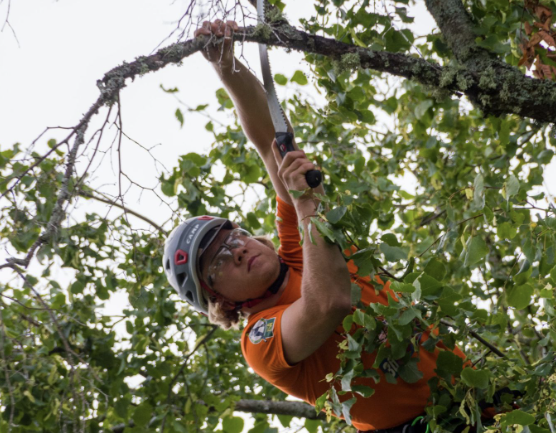
Large trees often come with bigger challenges that go far beyond the basics of pruning. Cutting heavy branches while working at height and navigating obstacles requires a lot more knowledge, skill, and specialized equipment than cutting a small ornamental tree at ground level.
This means that if you have a large tree that needs pruning, or even one of average height that’s in close proximity to structures or utility lines, it’s always best to leave it to the professionals.
What Tree Pruning Mistakes Should You Avoid?
Don’t Remove Too Much at One Time
One of the most common mistakes that Malvern homeowners are likely to make during tree pruning is removing too much of the canopy at once. Trees rely on their leaves to produce the energy they need to survive, and excessive pruning can interrupt this process.
This means that gradual pruning is always the way to go, as this allows trees to adapt more naturally, without being put under undue stress.
Don’t Leave Stub Cuts Behind
Stub cuts occur when branches are cut too far from the trunk or branch collar, leaving behind a section that cannot heal properly. These remaining stubs are some of the most likely entry points for decay, so making cuts in the right place is essential to promoting faster recovery and healthier long-term growth.
Don’t Top Your Trees
Tree topping involves removing large sections of the upper canopy to reduce a tree’s height. Though this may seem like a quick and easy solution, it often creates more problems than it solves.
Topping can lead to weak regrowth that is more vulnerable to future breakage and also dramatically changes the appearance of the tree. For these reasons, tree topping is almost always a bad idea, and you should instead focus on maintaining a healthy, balanced structure over time.
Contact AC Tree Experts Today
Are you looking for professional tree pruning services you can trust to keep your Malvern trees healthy and beautiful all year round? Give us a call.
Our team is always here to answer questions and will happily help you schedule your tree pruning services at any time that’s convenient for you. We even offer free estimates so that you have all the information you need to fit our services into your budget.
Don’t let your trees go without the expert pruning they need to thrive. Contact AC Tree Experts and schedule your next Malvern tree pruning appointment today.